
มวยท่าเสาพระยาพิชัยดาบหัก
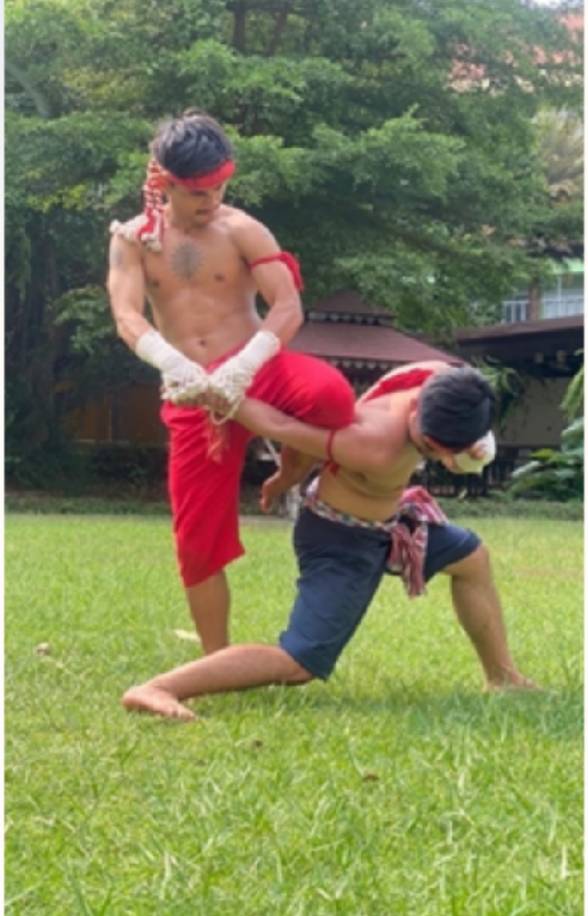
มวยท่าเสา คือ มวยไทยโบราณสายหนึ่งของทางภาคเหนืออุตรดิตถ์ ไม่มีหลักฐานชัดเจนว่าสายมวยไทยท่าเสากำเนิดขึ้นเมื่อใด และใครเป็นผู้คิดค้น จากหลักฐานทางประวัติศาสตร์ที่ปรากฏอยู่ทำให้ทราบว่า ครูมวยไทยสายท่าเสาที่มีชื่อเสียงโด่งดัง คนหนึ่งคือ “ครูเมฆ” ผู้ที่ที่มีเอกลักษณ์โดดเด่นในเรื่องของความคล่องแคล่ว ว่องไว รวดเร็ว เด็ดขาด มีลีลาท่าทางสวยงามและมีประสิทธิภาพ โดยเฉพาะอย่างยิ่ง ไม้เตะ ถีบ และศอก เป็นที่ลือกระฉ่อน จนนายทองดีฟันขาว ซึ่งต่อมาได้เป็นพระยาพิชัยดาบหักถึงกับปฏิญาณตนกับตัวเองว่า จะต้องมาขอเรียนศิลปะมวยไทยกับสำนักท่าเสาให้ได้
ครูเมฆได้ถ่ายทอดวิชามวยให้แก่ผู้สืบสกุลต่อมาจนถึงครูเอี่ยม ครูเอี่ยมได้ทำการถ่ายทอดให้แก่ผู้สืบสกุลคือ ครูเอม และต่อมาครูเอมได้ถ่ายทอดวิชามวยให้แก่หลานตา ๕ คน โดยทั้ง ๕ คนนี้ เป็นนักมวยตระกูลเลี้ยงเชื้อ ซึ่งต่อมากรมหลวงชุมพรฯ ได้เปลี่ยนให้เป็นเลี้ยงประเสริฐ ซึ่งทั้ง ๕ คน เป็นบุตรนายสอนและ นางขำ (ลูกครูเอม) โดยทั้ง ๕ คนประกอบด้วย ครูโต๊ะ ครูโพล้ง ครูฤทธิ์ ครูแพ และครูพลอย ซึ่งหนึ่งในนั้น คือ ครูแพที่ได้ทำการชกนายเจียร์ พระตะบอง นักมวยแขกครัวเขมรถึงแก่ความตาย จนทำให้ทางราชการได้กำหนดให้มีการสวมนวมแทนการคาดเชือกตั้งแต่นั้นเป็นต้นมา
ครูมวยท่าเสาทั้ง ๕ แห่งตระกูลเลี้ยงประเสริฐ ยังคงมีการชกมวยตามจังหวัดต่าง ๆ ทางภาคเหนือและโคราช และยังได้ถ่ายทอดวิชามวยท่าเสาให้กับบรรดาลูกศิษย์และทำไร่ไถนาอยู่ที่ท่าเสา ต่อมาทั้งหมดได้ย้ายข้ามแม่น้ำไปอยู่ที่บ้านป่าขนุน ตำบลคุ้งตะเภา และทำการสอนมวยท่าเสาให้แก่ลูกศิษย์และลูกหลานต่อไป ครูโพล้งต่อมาได้สอนมวยและครอบครูให้แก่ครูฉลอง เลี้ยงประเสริฐ (ลูกครูฤทธิ์) และครูประสิทธิ์ เลี้ยงประเสริฐ ทั้ง ๒ มีเชิงมวยที่แพรวพราวและหนักหน่วง โดยครูฉลอง เลี้ยงประเสริฐมีความสามารถในเชิงเตะตามแบบฉบับของมวยท่าเสาอย่างแท้จริง สามารถเตะคู่ต่อสู้หลับคาเท้ามานับไม่ถ้วน ในขณะที่ชกมวยอยู่ในกรุงเทพฯ จนได้รับฉายาว่า “ตีนเทวดา” ครูฉลอง เลี้ยงประเสริฐ ได้ถึงแก่กรรมเมื่อปี ๒๕๔๙ สิริอายุได้ ๗๒ ปี
โดยก่อนที่ครูฉลอง เลี้ยงประเสริฐ จะเสียชีวิต ได้ครอบครูให้แก่ ดร.สมพร แสงชัย ดร.วินัย จำปาอ่อน และอดิศร ไกรว่อง และครูพลอย เลี้ยงประเสริฐ ได้ทำการถ่ายทอดและครอบครู ให้แก่ นายศรี ชัยมงคล นายประพันธ์ เลี้ยงประเสริฐ นายเต่า คำฮ่อ (เชียงใหม่) ครูประสิทธิ์ เลี้ยงประเสริฐ ฯลฯ
มวยพระยาพิชัยดาบหัก คือ มวยสายของพระยาพิชัยดาบหัก ที่ได้ศึกษาเล่าเรียนวิชาการต่อสู้ป้องกันตัวและคาถาอาคมจากท่านพระครูพระธาตุเมืองพิชัย ครูเที่ยง บ้านแก่ง ครูมวยงิ้ว วัดท่าถนน ครูเมฆ บ้านท่าเสา ครูดาบเหลือ สวรรคโลก และครูมวยจีน สุโขทัยธานี โดยบูรณาศาสตร์วิชาที่ได้ศึกษาเข้าด้วยกันกลายเป็นมวยไทยตำรับ “พระยาพิชัยดาบหัก” พระยาพิชัยดาบหักได้ฝึกสอนลูกศิษย์ ทหาร และลูกหลาน โดยผูกไม้ต่าง ๆ เป็น แม่ไม้บน ๑-๑๒ และ แม่ไม้ล่าง ๑-๑๒ เพื่อง่ายแก่การจดจำ และมีการสืบทอดส่งต่อกันมาถึงสมัยรัตนโกสินทร์ จนมาถึงครูแสง ซึ่งครูแสงเป็นลูกหลวงจงและหลานปู่ของหลวงพิทักษ์ (เสือ) ผู้สืบสกุลของพระยาพิชัยดาบหัก และครูแสงถ่ายทอดให้กับครูซุนกวน ครูซุนกวนถ่ายทอดให้กับ ครูสงวน แสงชัย และครูสงวน แสงชัย ได้ถ่ายทอดวิชาให้กับ ครูสมพร แสงชัย ซึ่งเป็นเจ้าสำนักมวยท่าเสาพระยาพิชัยดาบหัก ในปัจจุบัน
เอกลักษณ์และอัตลักษณ์ของมวยท่าเสา
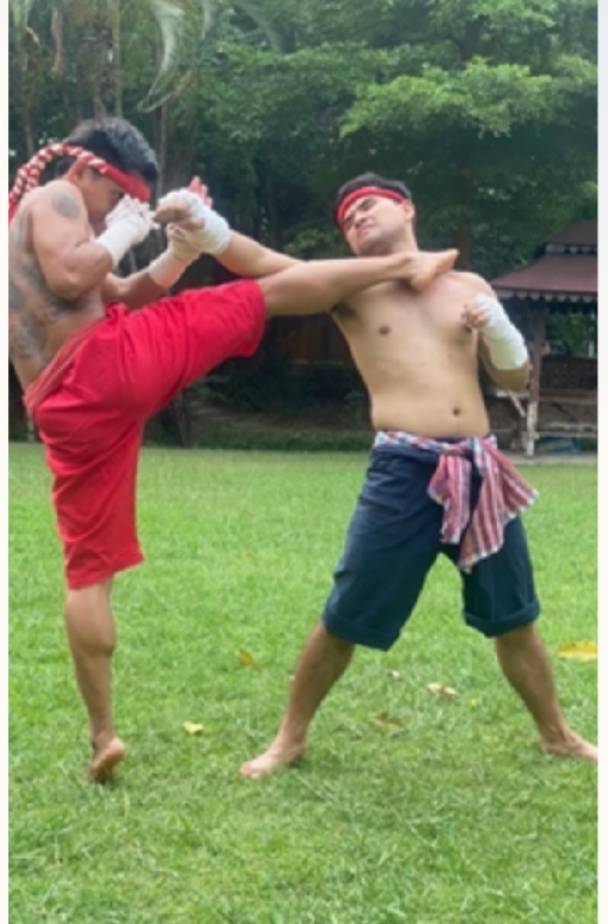
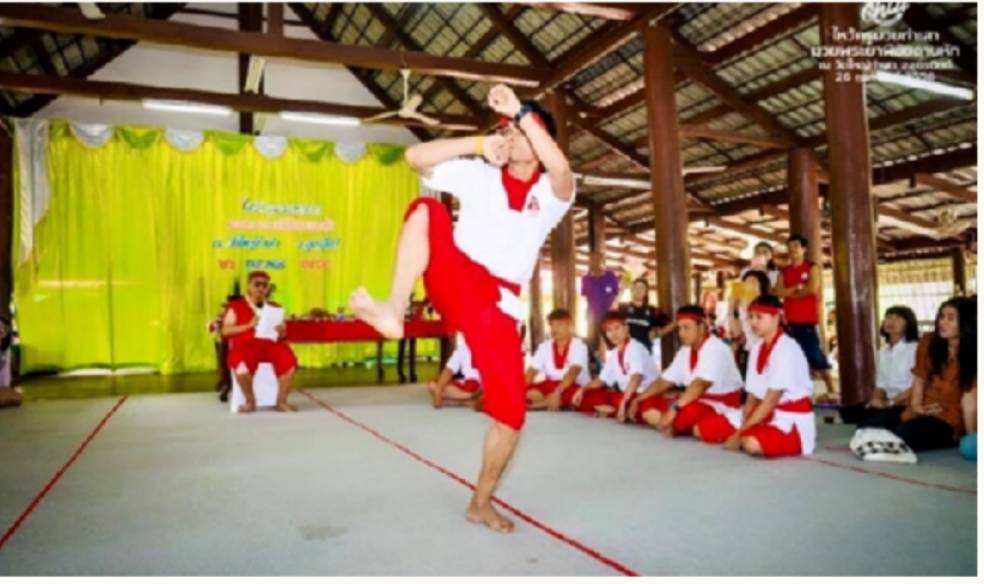
ด้านเชิงมวย คือ การเตะที่สวยงามและมีประสิทธิภาพ โดยเฉพาะในระยะประชิดเป็นการ “เตะเฉียงนาคาสะบัดหาง” คือ เตะครึ่งแข้งครึ่งเข่าก่อนแล้วค่อยสะบัดแข้งเข้าก้านคอคู่ต่อสู้ โดยจะโยกตัวซ้ายขวาใน “ลักษณะตัวอ่อน” ซึ่งเป็นเอกลักษณ์พิเศษของมวยท่าเสา จนได้รับฉายาว่า “มวยตีนลิง” หรือ “มวยตีนไว”
ด้านการต่อสู้ คือ มวยท่าเสาและมวยพระยาพิชัยดาบหัก มุ่งการรักษาชีวิตของตนเอง และเผด็จศึกฝ่ายตรงข้ามใขณะเดียวกัน โดยมวยท่าเสาจะใช้การหลบหลีกและตอบโต้อย่างทันควัน แต่มวยพระยาพิชัยดาบหักจะใช้การหลบหลีก-ปัด-ป้อง-ปิด ก่อนตอบโต้
ด้านการแต่งกาย คือ มวยท่าเสามักจะนิยมสวมกางเกงขาสั้นสีแดง ไม่สวมเสื้อ สวมใส่มงคลสีแดงที่ศีรษะโดยจะมีแผ่นยันต์สีแดงอยู่ด้านหน้ามงคลด้วย มีการพันหมัดแบบคาดเชือกครึ่งแขน มงคลและผ้าประเจียดจะทำด้วยด้ายดิบสีแดง และนิยมผูกผ้าประเจียดสีแดงที่แขนด้านซ้ายข้างเดียว
ด้านการร่ายรำไหว้ครู คือ มวยท่าเสาจะต้องไหว้บรมครู คือ พระอิศวร เพราะถือว่า พระอิศวรเป็นผู้ประสิทธิ์ประสาทวิชาการต่อสู้ โดยมวยท่าเสาจะนั่งยอง ๆ แล้วทำการไหว้โดยการวางมือข้างซ้ายลงก่อน จากนั้นตามด้วยมือขวาก่อนก้มศีรษะลงกราบ เพื่อเป็นการระลึกถึงบุญคุณของครูผู้สอนเมื่อวางมือซ้ายลง และครูในสายมวยก่อนหน้านั้นเมื่อวางมือขวาลง และครูอื่น ๆ ที่เคยสั่งสอนเรามาเมื่อขยับมือซ้ายขึ้นไปขนานมือขวา และจะต่อด้วยท่าส่องเมฆ และท่าไต่เมฆที่เป็นเอกลักษณ์พิเศษของสาย ท่าเสาโบราณในการรำไหว้ครูเพราะท่าส่องเมฆจะเป็นการทำนิมิตถึงครูเมฆและครูอื่นๆ ในสายมวย และท่าไต่เมฆก็เป็นการแสดงถึงความแข็งแกร่งและความว่องไวของมือ เป็นการอบอุ่นร่างกายอย่างรวดเร็วและตัดไม้ข่มนามคู่ต่อสู้ และเป็นการประกาศศักดิ์ศรีของมวยท่าเสาที่ได้สืบทอดกันมาจนถึงปัจจุบันนี้ เอกลักษณ์อาวุธที่โดดเด่น คือ การใช้หมัดครึ่งศอก การเตะเฉียงนาคาสะบัดหาง และการใช้ศอกเฉียง
ทักษะพื้นฐานและไม้มวย
พื้นฐานของมวยพระยาพิชัยดาบหักอยู่ที่ท่าย่างแปดทิศ ท่ามือสี่ทิศ และการใช้นวอาวุธ ๑๐๘ แนว รวมไปถึงพื้นไม้ในแนวต่าง ๆ เน้นความปลอดภัยของตัวนักมวยก่อนอื่นใด โดยอาศัยการหลบหลีก การปัด การปิด-ป้อง การจับ-หัก-ทุ่ม-ทับ การทุ่ม-ทับ-จับ-หัก และการเปิดและเข้าทำ มีทั้งไม้รุกและไม้รับอยู่ในตัว มวยพระยาพิชัยดาบหักมีทั้งหมด ๕๓๕ ไม้ด้วยกัน แบ่งเป็นไม้หมัด ๑๓๔ ไม้ ไม้ศอก 140 ไม้ ไม้เข่า ๖๒ ไม้ ไม้ถีบ ๕๙ ไม้ ไม้เตะ ๑๐๑ ไม้ และไม้หัว ๓๙ ไม้
“ที่มาของข้อมูล ดร.ประไพร จันทะบัณฑิต ครูมวยท่าเสาพระยาพิชัยดาบหักระดับมงคล 7”
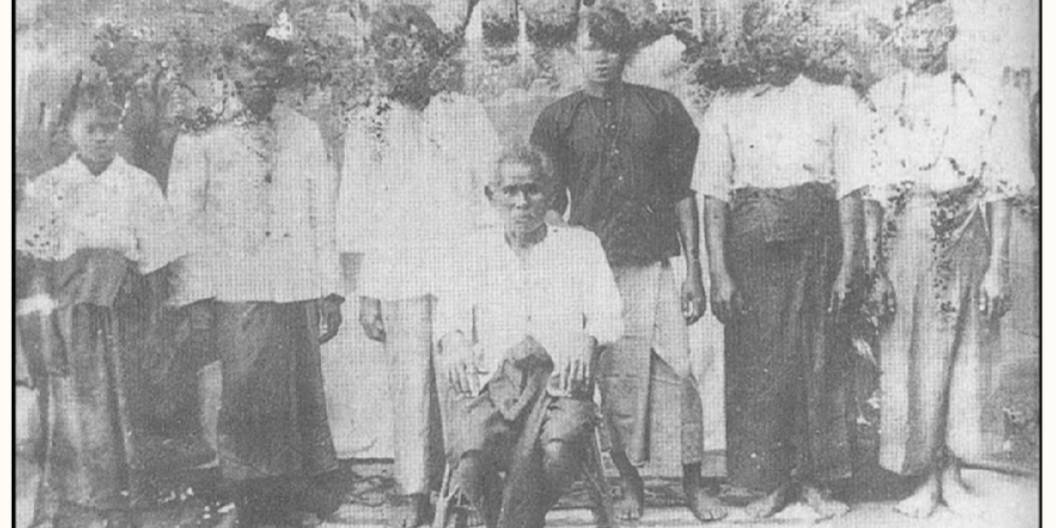
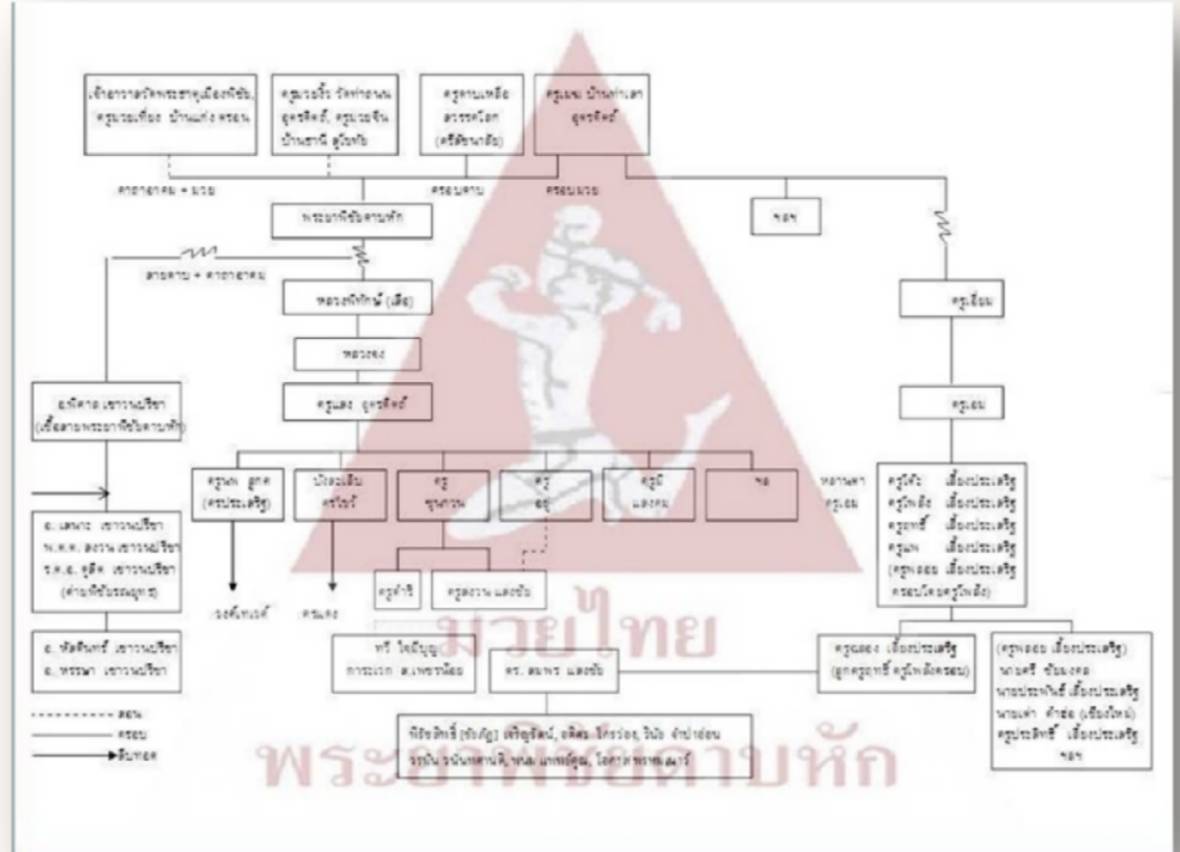 ผังการสืบทอดสายมวยท่าเสา พระยาพิชัยดาบหัก
Muay Tha Sao Phra Ya Phichai Dab Hak
Muay Tha Sao is an ancient Northern Thai martial art originating from Uttaradit Province. The exact origin and founder of this Muay lineage are not clearly documented. Historical evidence, however, highlights a renowned Muay master, Kru Mek, celebrated for his agility, speed, decisiveness, and aesthetically effective techniques. His signature methods, particularly in kicking, stomping, and elbow strikes, became widely recognized. One of his most notable disciples, Nai Thongdee Fun Khao (later known as Phra Ya Phichai Dab Hak), was so inspired by Kru Mek’s mastery that he vowed to learn Muay Tha Sao personally.
Kru Mek transmitted his martial knowledge to his successors, including Kru Iam, who then taught Kru Em. Kru Em passed on the art to his five grandsons, the Liang Chuea family, later renamed Liang Prasert by royal decree from Krom Luang Chumphon. These five were the sons of Nai Son and Nang Kham (Kru Em’s children) and included Kru To, Kru Plong, Kru Rit, Kru Phae, and Kru Ploy. Notably, Kru Phae’s fight with Nai Jiar, a Khmer boxer, resulted in Nai Jiar’s death, prompting authorities to mandate the use of boxing gloves instead of traditional rope bindings.
The five Kru Tha Sao from the Liang Prasert family continued to demonstrate and teach Muay Tha Sao across Northern provinces and Korat, also balancing farming at Tha Sao. They later relocated across the river to Ban Pa Khanun, Khung Taphao Subdistrict, where they continued teaching disciples and family members. Kru Plong eventually instructed Kru Chalong Liang Prasert (son of Kru Rit) and Kru Prasit Liang Prasert, both renowned for their technical proficiency and powerful strikes. Kru Chalong, in particular, became famous for his exceptional kicking ability, delivering countless incapacitating kicks to opponents in Bangkok, earning him the nickname “Tein Thevada” (Angel Feet). Kru Chalong passed away in 2006 at the age of 72.
Before his passing, Kru Chalong formally initiated Dr. Somporn Saengchai, Dr. Winai Champaon, and Adison Kraiwong as his disciples. Kru Ploy Liang Prasert also transmitted the lineage to Nai Sri Chaimongkol, Nai Praphan Liang Prasert, Nai Tao Kamho (Chiang Mai), and Kru Prasit Liang Prasert, among others.
Muay Phra Ya Phichai Dab Hak is a lineage named after Phra Ya Phichai Dab Hak, who studied martial arts, defensive combat techniques, and mystical incantations from multiple masters: Phra Kru Phra That Muang Phichai, Kru Thieng Ban Kaeng, Kru Ngiew Wat Tha Thanon, Kru Mek Ban Tha Sao, Kru Dab Luea Sawankhalok, and Chinese boxing masters in Sukhothai. The integrated knowledge formed the distinctive Muay Thai style known as Phra Ya Phichai Dab Hak.
Phra Ya Phichai organized the curriculum for students, soldiers, and family members by codifying techniques into upper line (Mae Mai Bon 1–12) and lower line (Mae Mai Lom 1–12) to facilitate memorization. This system has been preserved through the Rattanakosin period. The lineage was later transmitted through Kru Saeng, who was the son of Luang Chong and grandson of Luang Phithak (Suea), a direct descendant of Phra Ya Phichai Dab Hak. Kru Saeng passed his knowledge to Kru Sun Kuan, who then taught Kru Sanguan Saengchai, and Kru Sanguan subsequently transmitted the art to Kru Somporn Saengchai, who is currently the head of the Muay Tha Sao Phra Ya Phichai Dab Hak school.
Technical Characteristics (Muay Techniques):
Muay Tha Sao is distinguished by its aesthetically effective kicks, especially in close-range combat. A signature technique is the “Naka Diagonal Tail Whip Kick” (Tae Chiang Naka Sabat Hang), executed by first performing a half-shin, half-knee strike, followed by a swift whip of the shin toward the opponent’s neck. The practitioner shifts the body left and right in the “flexible body” posture (Laksana Tua On), a unique hallmark of Muay Tha Sao. This distinctive style has earned it nicknames such as “Monkey Feet Boxing” or “Quick Feet Boxing.”
Combat Strategy:
Muay Tha Sao and Muay Phra Ya Phichai Dab Hak both emphasize the preservation of one’s life while simultaneously defeating the opponent. Muay Tha Sao relies on instantaneous evasion and counterattacks, whereas Muay Phra Ya Phichai Dab Hak follows a sequential approach: evade, parry, block, cover, and then counter.
Attire and Ritual Accessories:
Practitioners of Muay Tha Sao traditionally wear red shorts, no shirt, and a red head ornament (mongkhon) with a red yantra symbol on the front. Hands are wrapped with half-arm rope bindings (kard cheuk), and auspicious threads (prajiad) are made from raw red thread, tied typically only on the left arm.
Wai Kru and Ritual Dance:
The Wai Kru ritual in Muay Tha Sao venerates Phra Isuan (Shiva) as the primordial teacher of combat techniques. The ritual begins with squatting (ngyong), placing the left hand first, followed by the right hand, and bowing the head to pay respect. The sequence honors previous masters: left hand for current instructors, right hand for earlier lineage masters, and simultaneous placement of both hands to honor all prior teachers.
Unique Tha Sao gestures include “Soeng Mek” (Sky Gazing) and “Tai Mek” (Cloud Climbing). Soeng Mek symbolizes respect to Kru Mek and other masters, while Tai Mek demonstrates strength, agility, and rapid hand coordination. These motions also serve as a warm-up, disrupt the opponent’s rhythm, and assert the lineage’s martial prestige.
Signature Weapons and Techniques:
- Half-elbow punches (Mud Krueng Sok)
- Diagonal Naka Tail Whip Kick (Tae Chiang Naka Sabat Hang)
- Diagonal elbows (Sok Chiang)
Fundamental Skills and Mae Mai (Core Techniques):
For Muay Phra Ya Phichai Dab Hak, foundational skills include eight-direction footwork, four-direction hand positions, and the utilization of 108 weapon lines (Nawa Aowad 108) with various offensive and defensive applications. Safety of the practitioner is prioritized through techniques such as: evasion, parry, block, grab-break-throw-pin, throw-pin-grab-break, and entering to strike. Both offensive and defensive Mae Mai are integrated into each sequence.
In total, Muay Phra Ya Phichai Dab Hak comprises 535 Mae Mai, distributed as follows:
- Punches: 134 Mae Mai
- Elbows: 140 Mae Mai
- Knees: 62 Mae Mai
- Stomps: 59 Mae Mai
- Kicks: 101 Mae Mai
- Head techniques: 39 Mae Mai
Source of Information: Dr. Prapai Chantabandit, Muay Tha Sao instructor of Phra Ya Phichai Dab Hak lineage, holding Mongkhon Level 7.