
Match analysis of professional Muay Thai fighter between winner and loser
PONLAPAT BHUMIPOL1 , NIROMLEE MAKAJE1 , TOASAK KAWJARATWILAI2 , RATREE RUANGTHAI1
1
Faculty of Sports Science. Kasetsart University. Kamphaeng Saen Campus, Thailand.
2
Faculty of Education and Development Sciences. Kasetsart University. Kamphaeng Saen Campus,
Thailand
ABSTRACT
This study analysed the activity profiles and the effort-to-pause ratio (E:P) between the winner and the loser of professional Muay Thai fights. The sample consisted of 8 male professional Muay Thai fighters who competed in a combat format involving 5 rounds each being 3 minutes in the 29th ISUZU Muay Thai Tournament. This research used video footage of their offensive and defensive techniques to create a detailed activity profile of each fighter based on 12 matches that were fully assessed without any knockouts. The number of swing punches was higher in round 3 and more accurate in round 4 for winners than losers (p < .05). The number of round kicks was higher in rounds 1 and 5 and more accurate in round 5 for winners than losers (p < .05). Sway movement and evasion (p < .05) were higher in round 5 and grabbing (p < .05)
was higher in round 2 for winners compared to losers. The E:P data indicated that Muay Thai had a greater pause duration than effort duration with the greatest effort duration during rounds 3 and 4. The effort to pause data indicated no discrimination between winners and losers. The winners utilized more defensive and offensive techniques than the losers and with better accuracy. Proper utilization of swing punching and round kicking were highlighted as strategically important techniques for the winners. In summary, the E:P data advocates high-intensity interval training characteristics and prescriptions for Muay Thai fighters at a
professional level.
Keywords: Performance analysis of sport, Professional Thai boxing, Effort-to-pause ratio, Video analysis,
Combat sports.
Cite this article as:
Bhumipol, P., Makaje, N., Kawjaratwilai, T., & Ruangthai, R. (2023). Match analysis of professional Muay Thai fighter between winner and loser. Journal of Human Sport and Exercise, 18(3), 657-669. https://doi.org/10.14198/jhse.2023.183.12
Corresponding author. Faculty of Sports Science. Kasetsart University. Kamphaeng Saen Campus, Thailand.
E-mail:
Submitted for publication March 07, 2023.
Accepted for publication March 23, 2023.
Published July 01, 2023 (in press April 18, 2023).
JOURNAL OF HUMAN SPORT & EXERCISE ISSN 1988-5202.
© Faculty of Education. University of Alicante.
doi:10.14198/jhse.2023.183.12
INTRODUCTION
Muay Thai or Thai boxing is well-known throughout the world and esteemed for its lethal style and furious combat. Muay Thai requires different fitness and training regimens than other combat sports because of its unique style. Compared to other combat sports, Muay Thai creates eight points of contact using the hands, elbows, knees, and feet, allowing for a variety of fighting manoeuvres such as punches, knee strikes, elbow strikes, kicks, and grappling (Myers et al., 2013). Despite its popularity, only a few studies have looked at the activity profiles of Muay Thai (Myers et al., 2013) In addition, most of the material now published was based on combat sports, such as amateur boxing, kickboxing, judo, and taekwondo (Davis et al., 2013; Slimani et al., 2017; Marcon et al., 2010; Bridge et al., 2011). The most consistent studies to date examined the amateur boxing activity profile (Davis et al., 2013; Davis et al., 2015). Winning tactics and training programs could be derived for use in the real world from the examination of these research. Therefore, it is most advantageous that activity profiles for combat sports be created. However, there is a dearth of data concerning Muay Thai activity profiles. As a result, the lack of baseline and background data become obstacles for sport scientists and practitioners to develop a systematic training monitoring plan for Muay Thai fighters (Mohamad, et al., 2016). In one study, the current Muay Thai activity profile used notational analysis to look at how Thai and UK Muay Thai fighters chose and applied their techniques differently (Myers et al., 2013). The results of the activity profile were useful for coaches and athletes regarding practical guidance and suggestions for competition-related technique selection and training. However, the results were limited in that only data on either the chosen technological components or the physiological acute response was gathered and examined, not all fighting actions. Hence, a comprehensive activity profile of Muay Thai would provide a more accurate assessment and deeper understanding of this popular combat sport. Muay Thai performance evaluation is complicated, with the high-intensity intermittent motions making it difficult to assess the level of effort expended during bouts (Silva et al., 2011). The effort to pause ratio (E:P) of Muay Thai could help to clarify the intense physical demands of this fighting sport in this situation. For example, the time structure can be broken down into three phases: preparatory-activity time (PT), fighting-activity time (FT), and stoppage-activity time (ST), when E:P data are gathered and analysed. This is done to determine performance aspects such as E:P and technical-tactical analysis of top-level, low-kick kickboxers (Slimani et al., 2017). Another study, including amateur Muay Thai and kickboxing contests, discovered superiority in observation time over effort; this finding helped to explain the high-intensity intermittent characteristics of these two combat sports (Silva et al., 2011). Overall, a combination of activity profile and E:P ratio data was necessary to show more distinct performance features of Muay Thai. Therefore, in the present study, we examined the fighting actions of combatants in the 29th ISUZU Muay Thai Tournament by creating a complete activity profile and collecting E:P data and comparing winners and losers. We could not find any report of an investigation combining activity profiles and comparing winners and losers, in professional Muay Thai competition. A full activity profile and Muay Thai E:P ratio data will provide much-needed knowledge to build an effective coaching and fighting strategy for the professional-level match, as well as provide a better understanding of training regimes and methods for Muay Thai athletes.
MATERIAL AND METHODS
Subjects
This study consisted of eight healthy, male, professional Muay Thai fighters, aged 17–25 years, height 1.68–1.78 m, and weight 61–63.5 kg., who were registered with the Sports Authority of Thailand and engaged in active competition. The contestants were professional Muay Thai fighters with at least five years of experience. They participated in the 29th ISUZU Muay Thai Tournament and completed five rounds. The Kasetsart University Research Ethics Committee approved this research study. The study adhered to the ethical code of the Declaration of Helsinki.
Design
Our study was designed to analyse the activity profiles of contestants from the video footage (in slow motion replay using the Dartfish software) of the 29th ISUZU Muay Thai Tournament that involved competition at the professional level (Dartfish video analysis software, 2023). We analysed only bouts where the fighters had completed all five rounds, with the winners and losers being determined based on the judges’ scorecards. We analysed and discussed the complete activity profile and the E:P data to better understand the technical, tactical, mental, and physical preparation for professional-level Muay Thai matches.
Procedures
We analysed the video footage of the offensive and defensive techniques used by competitors during the 29th ISUZU Muay Thai Tournament and created an activity profile for each match. The Siam Boxing Stadium owns the copyright to the video footage from the tournament. Kasetsart University’s Internal Review Board approved the usage of these videos for this study.
The structure of the tournament consisted of eight contestants who were separated into two groups (A and B) of four. Each contestant in each group received an equal opportunity to complete one bout against every other contestant in that group. Afterward, the two fighters with the most points in each group were matched in the semi-final rounds. Then, the winners of those two semi-final rounds competed in the final for the first and second places. The third place of the tournament was decided in a bout between the losers of the two semi-final rounds. Thus, 16 matches took place; however, to create a consistent activity profile, only 12 matches without knockouts that went for the full competition time were analysed. We analysed the bouts in high definition using the Dartfish software in slow motion with the same researcher capturing both the offensive and defensive movements of each fighter, with two random bouts analysed twice to check for inter- and intra-tester reliabilities (Dartfish video analysis software, 2023). The frequency and accuracy data of techniques were organized into separate tables. For the accuracy data, a ‘hit’ was considered when offensive techniques contacted the fighter without any defensive interaction. Ultimately, the research explored the different behaviours and techniques that separated the winners from the losers based on the activity profiles and the E:P data.
The data analysis was separated into two categories for the offensive (Figure 1) and defensive (Figure 2) techniques of Muay Thai, using Dartfish in slow-motion replay (Dartfish video analysis software, 2023). The replay speed was adjustable in 0.5-second increments, allowing for accurate viewing. The quantitative analysis of the techniques for both winners and losers of each match was recorded using Dartfish and then applied to investigate the following factors based on the set criteria: the frequency of each technique and the duration periods of ‘hit’, and effort-pause. The all-fight action diagram shows the composition of the offensive and defensive techniques in Muay Thai.

Figure 1. Hierarchy of offensive techniques.
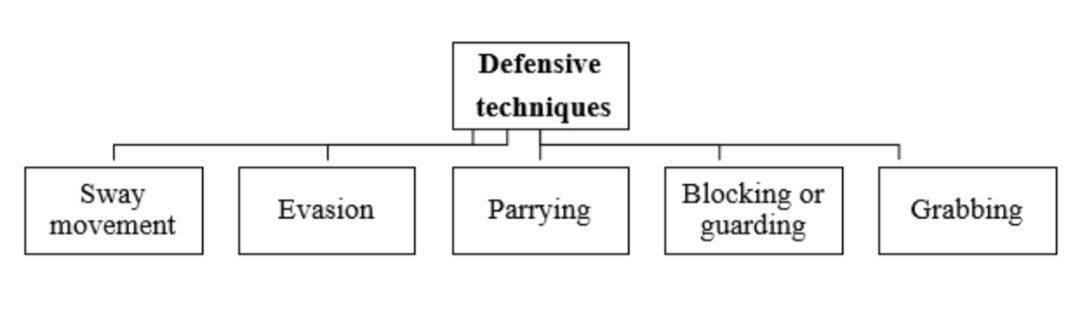
Figure 2. Hierarchy of defensive techniques.
Reliability
To ensure the reliability of the data during the analysis, we utilized inter-tester reliability and intra-tester reliability for each offensive and defensive technique recorded in matches. This process took place before the actual analysis by selecting two professional Muay Thai matches. For the intra-tester reliability, the analysis of data was completed twice, with four days between each analysis to check for the accuracy of the result (r = 0.99, p < .01). For the inter-tester reliability, an expert in Muay Thai analysed the data following the criteria to ensure consistency between the analysed data by the researcher and the expert (r = 0.89, p < .01).
Statistical analysis
The results were recorded for both winners and losers as mean ± SD ( p < .05). The normality of all distributions was verified using Shapiro-Wilks tests. An independent Student t-test was used to compare technical actions between winners and losers. A one-way analysis of variance with repeated measures was also used to compare bouts. Multiple comparisons were performed using the Bonferroni method, as appropriate. Pearson’s correlation coefficient (PCC) was used to determine the intra-tester and inter-tester reliability. Statistical analyses were conducted using the IBM SPSS Statistics version 22.0 software (IBM Co.; Armonk, NY, USA). For all statistics, the significance level was p < .05.
RESULTS
All twelve of the bouts, each consisting of 5 rounds each for 3 minutes, lasted the full duration for all contestants, without any knockouts. Out of the 22 offensive techniques, 8 techniques (turn-over kick, turn-over foot-thrust, reverse elbow strike, poking elbow strike, diagonal elbow strike, chop elbow strike, turn-over foot-thrust, and straight kick) were omitted because they were not utilized and did not influence the outcome of any fight.
Table 1 shows that the number of swing punches (p < .05) was higher and of shooting elbow strikes (p < .05) was lower for winners than losers in round 3. Swing punches were lower (p < .05) in round 5 than in round 4 for winners. The number of round kicks was higher for winners than losers (p < .05) in rounds 1 and round 5. The number of sideway kicks was higher (p < .05) in rounds 4 and 5 than in round 1 for winners. The number of straight foot thrusts was lower for winners than losers (p < .05) in rounds 1 and 2, but higher in round 5.
The utilization of straight foot-thrust (p < .05) decreased in rounds 3, 4, and 5 compared to rounds 1 and 2. Utilization of the round knee strike and diagonal knee strike (p < .05) increased in rounds 3 and 4 compared to rounds 1 and 2 for losers. Use of the diagonal knee strike (p < .05) increased in rounds 2, 3, and 4 compared to round 1 for winners. Use of the diagonal knee strike (p < .05) increased between rounds 4 and 2 and decreased between rounds 5 and 4 for winners (Table 1). The number of total fist strike techniques was higher (p < .05) for winners than losers in round 3 and decreased (p < .05) between rounds 4 and 3 for winners.
The number of total foot strike techniques was higher (p < .05) for winners than losers in round 5 and decreased (p < .05) between rounds 5 and 1 for losers. The total knee strike technique increased in rounds 3, 4, and 5 compared to round 1 and in rounds 3 and 4 compared to round 2 for winners and losers. The total knee strike technique decreased between rounds 5 and 4 for winners (Table 2).
Regarding defensive movement, the numbers of swaying movements and evasion (p < .05) were higher in round 5, and there was more grabbing (p < .05) in round 2 for winners than for losers. Blocking or guarding (p < .05) decreased in round 5 compared to rounds 2, 3, and 4 for losers. Grabbing increased between rounds 2, 3, 4, and 5 to round 1 for winners. Grabbing increased between rounds 3 and 4 compared to rounds 1 and 2, while decreasing between rounds 5 and 4 for losers (Table 3).
E:P increased (p < .05) in rounds 2, 3, 4, and 5 compared to round 1, while increasing in rounds 3 and 4 compared to round 2 (p < .05) for winners and losers. Furthermore, E:P decreased between rounds 5 and 4 (p < .05) for winners. The E:P analyses identified no discrimination between the winners and losers (Table 4).
Table 1. Frequency of each offensive techniques in relation to round and outcome.
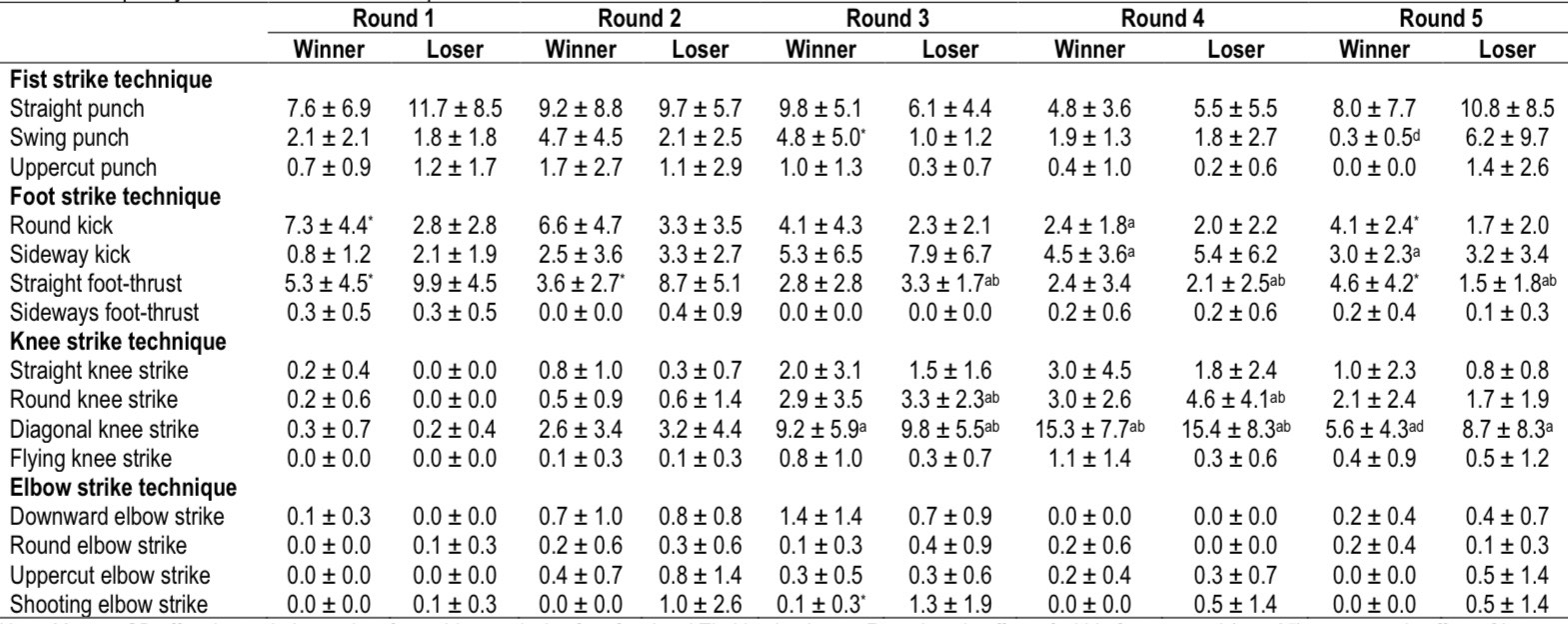 Note. Mean ± SD offensive techniques data from video analysis of professional Thai boxing bouts. Round: main effect of within factor round (p < .05), group: main effect of between factor winner vs loser (p < .05); post hoc analyses of round effects (p < .05) a significant difference to round 1, b significant difference to round 2, dsignificant difference to round 4,post hoc analyses of group effects (p < .05). * Significant difference to loser.
Table 2. Total offensive techniques in relation to round and outcome
 Note. Mean ± SD Total offensive techniques data from video analysis of professional Thai boxing bouts. Round: main effect of within factor round (p < .05), group: main effect of between factor winner vs loser (p < .05); post hoc analyses of round effects (p < .05) a significant difference to round 1, b significant difference to round 2, c significant difference to round 3, d significant difference to round 4, post hoc analyses of group effects (p < .05). * Significant difference to loser.
Table 3. Frequency of each defensive techniques in relation to round and outcome
 Note. Mean ± SD Total offensive techniques data from video analysis of professional Thai boxing bouts. Round: main effect of within factor round (p < .05), group: main effect of between factor winner vs loser (p < .05); post hoc analyses of round effects (p < .05) a significant difference to round 1, b significant difference to round 2, c significant difference to round 3, d significant difference to round 4, post hoc analyses of group effects (p < .05). * Significant difference to loser.
Table 4. Ratio of Effort to Pause.
 Note. Mean ± SD Total offensive techniques data from video analysis of professional Thai boxing bouts. Round: main effect of within factor round (p < .05), group: main effect of between factor winner vs loser (p < .05); post hoc analyses of round effects (p < .05) a significant difference to round 1, b significant difference to round 2, d significant difference to round 4, post hoc analyses of group effects (p < .05). * Significant difference to loser.
Table 5. Frequency of each offensive accuracy in relation to round and outcome.
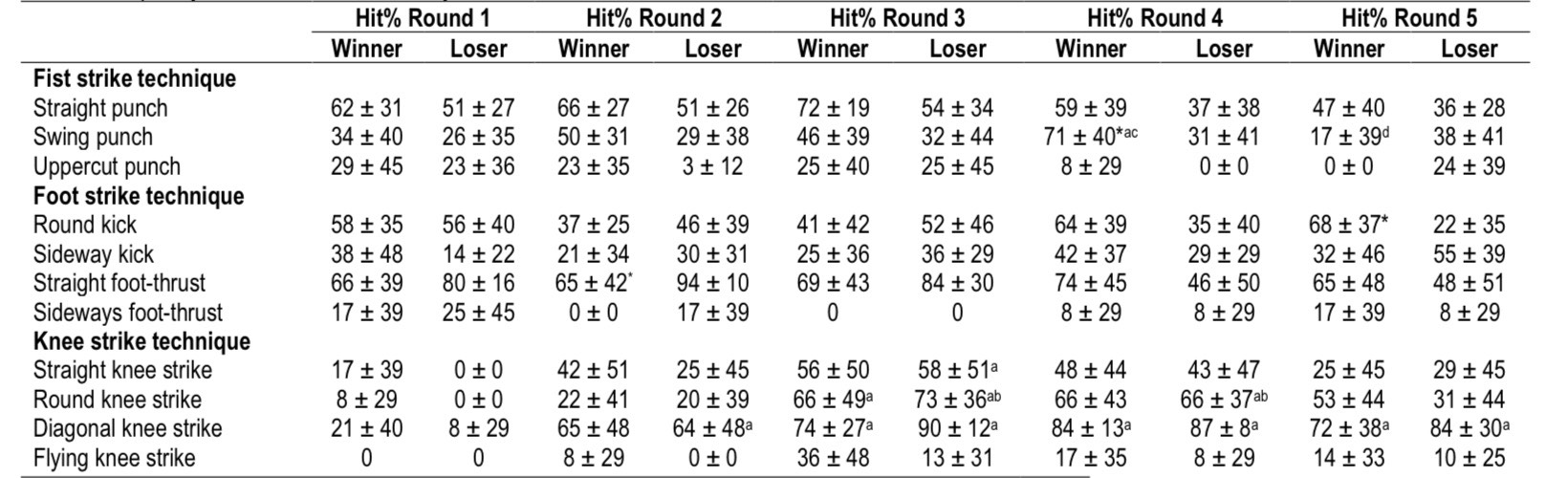
 Note. Mean ± SD Total offensive techniques data from video analysis of professional Thai boxing bouts. Round: main effect of within factor round (p < .05), group: main effect of between factor winner vs loser (p < .05); post hoc analyses of round effects (p < .05) a significant difference to round 1, b significant difference to round 2, c significant difference to round 3, d significant difference to round 4, post hoc analyses of group effects (p < .05). * Significant difference to loser.
Table 6. Total offensive accuracy in relation to round and outcome.
 Note. Mean ± SD Total offensive techniques data from video analysis of professional Thai boxing bouts. Round: main effect of within factor round (p < .05), group: main effect of between factor winner vs loser (p < .05); post hoc analyses of round effects (p < .05) a significant difference to round 1, b significant difference to round 2, post hoc analyses of group effects (p < .05). * Significant difference to loser.
The percentage accuracy of swing punches was higher (p < .05) for winners than losers in round 4 and the accuracy increased (p < .05) in round 4 compared to rounds 1 and 3 for winners. The percentage accuracy of round kicks was higher for winners than losers (p < .05) in round 5. The percentage accuracy of straight foot thrusts was lower for winners than losers (p < .05) in round 2. The percentage accuracy of round knee strikes increased between rounds 3 and 1 for winners and between rounds 3 and 4 compared to rounds 1 and 2 for losers. The percentage accuracy of the diagonal knee strike increased in rounds 2, 3, 4, and 5 compared to round 1 for winners and losers (Table 5).
The total offensive accuracy for fist strike techniques was higher for winners than losers (p < .05) in round 4. The total offensive accuracy for foot strike techniques was lower in winners than losers (p < .05) in round 2. The total offensive accuracy for the foot strike technique decreased ( p < .05) between rounds 4 and 2 for losers. The total offensive accuracy for the knee strike technique increased between rounds 4 and 1 for winners and in rounds 2, 3, 4, and 5 compared to round 1 for losers (Table 6).
DISCUSSION
The present study is the first to provide a complete activity profile of male professional Thai fighters, using the format of a full 5 rounds each of 3 minutes, from an actual Muay Thai tournament across all combat rounds. The findings indicated that round kicks and swing punches discriminated between winners and losers. Furthermore, the higher accuracy of the swing punch in round 4 and the round kick in round 5 for winners highlighted the importance of strong offensive accuracy during the later rounds (Table 5). These results agreed with another report that round kicks to the body and legs are the most frequently utilized techniques by Muay Thai fighters (Myers et al., 2013). There was also agreement with a study between Thai and UK Muay Thai fighters, where the data suggested that 66.15% of the round kicks delivered were effective, greatly aiding in scoring points for fighters (Myers et al., 2013). Winners also preferred to utilize the swing punch which accounted for the higher total fist strikes in round 3 (Table 2). Data from professional-level boxers indicated that straight punches are the most highly regarded technique by boxers, with the theory being that the single most successful boxing strategy to land punches is a high frequency of straight punches arising from this concept (Davis et al., 2013). However, the straight punch did not discriminate between winners and losers in professional Muay Thai. A swing punch is highlighted instead of a straigh t punch in professional Muay Thai. Like a round kick, a swing punch targets the side of the body where it is more vulnerable and more difficult to defend. Furthermore, swing punches and round kicks are considered to be visually impressive and easily seen by judges (Myers et al., 2010). In one study where front kick, roundhouse kick, side kick, and spin kick were analysed from 5 female and 11 male participants with at least 2 years of martial arts experience, the results indicated that the roundhouse and front kicks were superior with a roundhouse or round kick being the most favourable (Singh, 2017). Thus, proper utilization of swing punches and round kicks must be emphasized in professional Muay Thai training.
On the other hand, the utilization of a straight foot-thrust by losers in rounds 1 and 2 could suggest this action carries a disadvantage (Table 1). After all, a straight foot thrust is a defensive kick used to keep an opponent off balance or to create space during the fight. The higher utilization of a straight foot thrust by fighters in rounds 1 and 2, which are commonly used for observation and preparation, may serve as a negative conjecture of a gap in a fighter’s ability. Compared to losers, winners displayed offensive initiative in round 1 using a long-range offensive technique, such as a round kick, rather than a straight foot thrust. However, the higher utilization of the straight foot-thrust in round 5 by the winners was appropriate, because the defensive characteristic of a straight foot-thrust worked as reinforcement for the winners to secure victory during the later round (Table 1).
Grabbing, guarding, and sway movement/evasion discriminated between winners and losers, where winners were utilized more defensive techniques (Table 3). Another study between Thai and UK Muay Thai fighters suggested that Thai fighters were more proficient in grabbing their opponent’s kicking leg significantly more times than the UK fighters (Myers et al., 2013). Furthermore, the fighter would use grabbing to close the distance and launch close-range offensive techniques. After all, the grabbing technique allows for the possibility of an immediate counterattack (Myers et al., 2013). Throughout the match, winners used an aggressive approach by selecting powerful long- and close-range techniques. However, defensive movement data suggested that winning a bout required more than just landing offensive techniques.
The E:P data indicated that Muay Thai had a greater pause duration than effort duration, and these data suggested no discrimination between winners and losers (Table 4). Approximately 7.2 and 8.4 % in round 1 and 17.5 and 18.5 % in round 2 of effort were displayed for winners and losers, respectively, with the long -range techniques being dominant. Although rounds 1 and 2 are mostly for preparation and observation, the pause duration did not stagnate in any way because Muay Thai fighters must maintain almost constant footwork and concentration. This finding highlighted the importance of sufficient aerobic conditioning, because despite the lower activity, fighters who fatigue in the early round will not be able to increase their activity rate and fight at a high intensity in the subsequent rounds (Davis et al., 2015). Additionally, Muay Thai, like many other combat sports, has been commoditized, with one study suggesting that the majority of the audiences are gamblers (Lim-olansuksakul and Bunprakan, 2011). Thus, a drawn-out match is better for business, since the greatest possible profit becomes the main goal of each match (Lim-olansuksakul and Bunprakan, 2011). A quick match with great intensity in rounds 1 and 2 would result in a loss of revenue from advertising and in interest from prospective gamblers. Nevertheless, fighters still need to impress the audience to receive sponsorship and funding for their respective Muay Thai gyms (Lim-olansuksakul and Bunprakan, 2011). Thus, rounds 3 and 4 will demonstrate increased effort compared to other rounds, with approximately 43.5% of winners’ and 34.5% of losers’ efforts in round 3 and 38.5% of winners’ and 34.5% of losers’ efforts in round 4, which contributed to the high-intensity interaction from the close-range techniques being applied. In round 5, approximately 20.4% of winners’ and 24.4% of losers’ efforts were recorded. The physical and mental fatigue from the high intensity and aerobic demands of rounds 3 and 4 contributed to the decrease in effort in round 5 (Table 4). Overexertion will increase the likelihood of an unpredictable outcome, such as a knockout (Lim-olansuksakul and Bunprakan, 2011).
Compared with other investigations of E:P data for Muay Thai and kickboxing, E:P values of 2:3 for Muay Thai and 1:2 for kickboxing agreed with our findings for greater pause duration with brief, but high intensity effort (Silva et al., 2011). Muay Thai involves rapid and explosive movements which suggest anaerobic energy predominance, specifically the Phosphagen energy system (Turner, 2009). The Phosphagen energy system allows the body to utilize brief, yet high intensity movements, and it is characterized by 1:12 to 1:20 work-to-rest ratios and 5 to 10 seconds of exercise time (Haff and Triplett, 2016). Another study also suggested that Muay Thai demands great involvement in anaerobic glycolysis by using heart rate and blood lactate level data of junior middle weight fighters. While the heart rate remained above the level of anaerobic threshold throughout each round, blood lactate level was recorded at 6.02 mmol×L -1 at the end of round 1 and 12.55 mmol×L -1 at the end of the last round (Cappai et al., 2012). Current research suggested that the anaerobic threshold is reached when the onset of blood lactate accumulation is at 4 mmol×L -1 (Haff and Triplett, 2016). Fast glycolysis energy system is characterized by 1:3 to 1:5 work-to-rest ratios and 15 to 30 seconds exercise time (Haff and Triplett, 2016). Thus, these finding further support Phosphagen energy system and fast glycolysis energy system in Muay Thai due to the higher pause duration compared to effort in this combat sport. Nevertheless, the duration in which a fighter can remain in anaerobic state before complete muscle fatigue is difficult to define due to the differences in training and physical attributes. In contrast to Muay Thai, investigation of amateur boxing presented an E:P ratio of 9:1 which indicated a much greater effort duration compared to pause duration (Davis et al., 2012; Slimani et al., 2017). The recommendation for combat sports with greater effort duration is to focus on endurance training with high muscle power exercises; hence, the athletes will be able to execute successive combat after a brief period of recovery (Andreato et al., 2013). In contrast, the greater duration of a pause than effort highlighted the high-intensity intermittent characteristic of Muay Thai that advocated for high-intensity interval training with aerobic conditioning integrated into the routine (Glaister, 2005).
Practical applications
A successful winning strategy must include an effective swing punch and round kick and trainers should incorporate high-intensity interval training as common practice for the fighters, especially if the fighters are aiming to compete at the professional level. For the swing punch or hook, one study of the biomechanical aspect of punching in elite and junior boxers indicated that pelvis and shoulder rotation on top of the lower -body drive were significant to produce an effective and forceful hook (Dinu and Louis, 2020). Moreover, triple extension movements should also be considered whereby the ankle, knee, and hip extend to generate force from the ground synchronizing with the trunk, shoulder, and arm to create strong force for swing punch (Turner, 2009). After all, a swing punch requires long and complex movement; thus, rotational strength is important for transferring the power from the lower body to the pelvis and from the pelvis to the punch through the core. Strength training recommendations to avoid injury and to improve the swing punch force are variations of anti-rotation core muscle movements, rotational core movements, compound lifting, and cable resistance movement. A study that compared roundhouse or round kicks among advanced Muay Thai, karate, and taekwondo practitioners suggested that effective roundhouse kicking performance is characterized by rapid pelvic axial rotation, hip abduction, hip flexion, and knee extension velocities, combined with rapid movements of the centre of mass towards the target (Gavagan and Sayers, 2017). Furthermore, according to the kinetic analysis of round kick, it was suggested that the round kick at the middle level would generate the greatest peak force and impulse, while the higher level would generate the least force and impulse (Sidthilaw, 1996). Therefore, strength-power training options that could be beneficial to improving round kicks are a variation of legs, calves, gluteal exercises, and, likewise, rotational training. Furthermore, high-intensity interval training should be integrated into the conditioning program based on the E:P data from our study to support the anaerobic energy reliance during the explosive effort. Trainers should also put emphasis on the nutritional strategies before, during and after physical activity for fighters since prolonged and high-intensity exercise could reduce the muscle glycogen concentration, leading to constant concern about its replacement to support high level performance (Rossi et al., 2011). Overall, this study potentially offers a superior perspective on Muay Thai at the professional level and should assist fighters in their training preparations.
CONCLUSIONS
This study is the first to provide a complete activity profile of male professional Thai fighters over the bout format of 5 rounds each being 3 minutes. The findings suggested that the winners utilized more defensive and offensive techniques than the losers and with better accuracy. Powerful offensive techniques, such as the swing punch and round kick, were highlighted by the winners. Proper utilization of swing punches and round kicks are especially important for professional Muay Thai fighters. In addition, high-intensity intermittent interval training with minor aerobic integration is essential at the professional level. The knowledge of the activity profile and E:P structure of Muay Thai from this study can be used to improve technical, tactical, mental, and physical preparation for professional-level Muay Thai matches.
AUTHOR CONTRIBUTIONS
Ponlapat Bhumipol and Ratree Ruangthai designed the study. Ponlapat Bhumipol and Toasak Kawjaratwilai collected the data. Ponlapat Bhumipol and Niromlee Makaje analysed the results. Ponlapat Bhumipol and Ratree Ruangthai wrote the manuscript. All authors have read and agreed to the published version of the manuscript.
SUPPORTING AGENCIES
This research was supported in part by the Graduate Program Scholarship from the Graduate School, Kasetsart University, Thailand. DISCLOSURE STATEMENT No potential conflict of interest were reported by the authors.
ACKNOWLEDGEMENTS
The researchers would like to sincerely thank the Siam Boxing Stadium for allowing us to analyse the footage of the 29th ISUZU Muay Thai Tournament.
REFERENCES
Andreato, L. V., Franchini, E., de Moraes, S. M. F., Pastório, J. J., da Silva, D. F., Esteves, J. V. D. C., . . . Machado, F. A. (2013). Physiological and Technical-tactical Analysis in Brazilian Jiu-jitsu
Competition. Asian Journal of Sports Medicine, 4(2), 137-143. https://doi.org/10.5812/asjsm.34496
Bridge , C. A., Jones , M. A., and Drust , B. (2011). The Activity Profile in International Taekwondo Competition Is Modulated by Weight Category. International Journal of Sports Physiology and
Performance, 6(3), 344-357. https://doi.org/10.1123/ijspp.6.3.344
Cappai, I., Pierantozzi, E., Tam, E., Tocco, F., Angius, L., Milia, R., . . . Crisafulli, A. (2012). Physiological responses and match analysis of Muay Thai fighting. International Journal of Performance Analysis
in Sport, 12(3), 507-516. https://doi.org/10.1080/24748668.2012.11868615
Dartfish video analysis software. (2023). Retrieved from Dartfish: http://www.dartfish.com
Davis , P., Benson , P. R., Pitty , J. D., Connorton , A. J., and Waldock , R. (2015). The Activity Profile of Elite Male Amateur Boxing. International Journal of Sports Physiology and Performance, 10(1), 53-
57. https://doi.org/10.1123/ijspp.2013-0474
Davis, P. (2012). The Energetics of Amateur Boxing [Master's Thesis, University of Essex]. EThOS. Davis, P., Wittekind, A., and Beneke, R. (2013). Amateur Boxing: Activity Profile of Winners and Losers.
International Journal of Sports Physiology and Performance, 8(1), 84-91. https://doi.org/10.1123/ijspp.8.1.84
Dinu , D., and Louis, J. (2020). Biomechanical Analysis of the Cross, Hook, and Uppercut in Junior vs. Elite Boxers: Implications for Training and Talent Identification. Frontiers in Sports and Active Living,
2, 1-10. https://doi.org/10.3389/fspor.2020.598861
Gavagan , C. J., and Sayers, M. G. (2017). A biomechanical analysis of the roundhouse kicking technique of expert practitioners: A comparison between the martial arts disciplines of Muay Thai, Karate, and Taekwondo. PloS one, 12, 1-15. https://doi.org/10.1371/journal.pone.0182645
Glaister, M. (2005). Multiple Sprint Work: Physiological Responses, Mechanisms of Fatigue and the Influence of Aerobic Fitness . Sports Medicine, 35(9), 757-777. https://doi.org/10.2165/00007256-
200535090-00003
Haff, G. G., and Triplett, N. T. (2016). Essentials of Strength Training and Conditioning. , Illinois, 2016, p. 43-62. (4th ed.). Champaign, Illinoise: Human Kinetics.
Lim-olansuksakul , P., and Bunprakan, K. (2011). The Turning Point in the Boxing Circle and Muay Thai Commoditization by Muay Thai Gamblers [Master's Thesis, Prince of Songkla University]. Prince of Songkla University Repository.
Marcon, G., Franchini, E., Jardim, J. R., and Neto, T. L. (2010). Structural Analysis of Action and Time in Sports: Judo. Journal of Quantitative Analysis in Sports, 6(4), 1-14. https://doi.org/10.2202/1559-
0410.1226
Mohamad, N. I., Chinnasee, C., Hemapandha, W., Vongjaturapat, N., Makaje, N., Ratanarojanakool, P., and Pimjan, L. (2016). Sports Science-Based Research on the Sport of Muay Thai: A Review of the
Literature. Walailak Journal of Science and Technology (WJST), 14(8), 615-625.
Myers, T., Balmer, N., Nevill , A., and Al-Nakeeb, Y. (2013). Techniques Used by Elite Thai and UK Muay Thai Fighters: An Analysis and Simulation. Advances in Physical Education, 3(4), 175-186.
https://doi.org/10.4236/ape.2013.34029
Myers, T., Nevill , A. M., and Al-Nakeeb, Y. (2010). An Examination of Judging Consistency in a Combat Sport. Journal of Quantitative Analysis in Sports, 6(3), 1-16. https://doi.org/10.2202/1559-0410.1178
Rossi, L., de Oliveira, L. G., da Silva Borges, L. A., and Malavazzi., A. F. (2011). Nutritional assessment of Brazilian Muay Thai practitioners. Archives of Budo, 7(2), 49-53.
Sidthilaw, S. (1996). Kinetic and Kinematic Analysis of Thai Boxing Roundhouse Kicks [Doctoral dissertation, Oregon State University]. ScholarsArchive@OSU. Retrieved from:
https://ir.library.oregonstate.edu/concern/graduate_thesis_or_dissertations/df65v999f
Silva, J., Del Vecchio, F., Picanço, L., Takito, M., and Franchini, E. (2011). Time-Motion analysis in Muay Thai and Kick-Boxing amateur matches. Journal of Human Sport and Exercise, 6(3), 490-496.
https://doi.org/10.4100/jhse.2011.63.02
Singh, A. A. (2017). Analysis of force, time, energy, psychological demand and safety of common kicks in martial arts [Master's thesis, Iowa State University]. Iowa State University Digital Repository.
https://doi.org/10.31274/etd-180810-5045
Slimani, M., Chaabène, H., Davis, P., Franchini, E., Cheour, F., and Chamari, K. (2017). Performance Aspects and Physiological Responses in Male Amateur Boxing Competitions: A Brief Review. The
Journal of Strength and Conditioning Research, 31(4), 1132-1141. https://doi.org/10.1519/JSC.0000000000001643
Slimani, M., Chaabene, H., Miarka, B., and Chamari, K. (2017). The Activity Profile of Elite Low-Kick Kickboxing Competition. International Journal of Sports Physiology and Performance, 12(2), 182-
189. https://doi.org/10.1123/ijspp.2015-0659
Turner, A. N. (2009). Strength and conditioning for Muay Thai athletes. Strength and Conditioning Journal, 31(6), 78-92. https://doi.org/10.1519/SSC.0b013e3181b99603
Author
Ponlapat Bhumipol
Niromlee Makaje
Toasak Kawjaratwilai
Ratree Ruangthai
Kasetsart University